
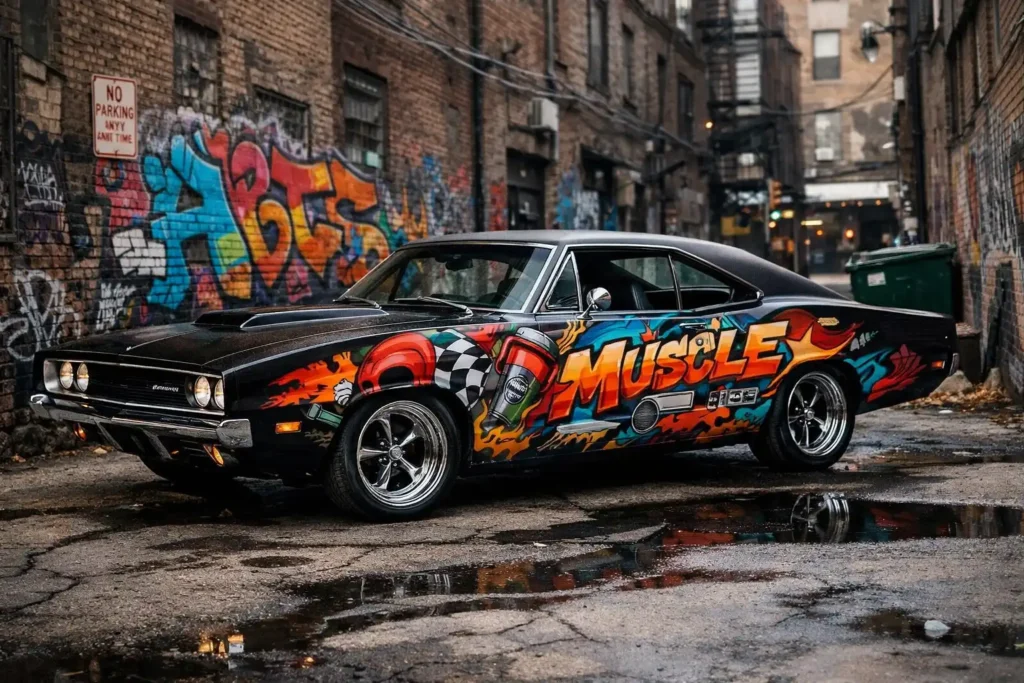
The world of automotive design and art has long been intertwined, but in recent years, classic American muscle cars have become more than just fast, powerful machines—they’ve evolved into dynamic canvases for modern artists. These iconic cars, which once symbolized the peak of engineering and speed in the 20th century, are now seen as masterpieces, not just on the road but in art galleries and museums. The fusion of classic muscle cars and modern fine art is more than just a visual trend; it’s a movement that blends nostalgia, craftsmanship, and cultural influence into a new realm of artistic expression.
In this blog post, we’ll dive deep into how classic American muscle cars are influencing the world of modern fine art, where these cars fit into the broader landscape of contemporary artistic expression, and how artists are reinterpreting muscle car culture for today’s world.
The Rise of Classic Muscle Cars in the U.S.
Before we dive into the artistic revolution these cars have sparked, let’s take a quick look at what makes American muscle cars so iconic. From the 1960s to the early ’70s, muscle cars were a reflection of the American automotive industry’s golden age. These cars, like the Ford Mustang, Chevrolet Camaro, Dodge Charger, and Pontiac GTO, became symbols of speed, power, and rebellion. With their high horsepower engines, bold designs, and the promise of freedom, muscle cars were the pinnacle of American engineering.
These cars were not just machines—they represented a cultural shift. Muscle cars were associated with youth, excitement, and the burgeoning car culture of the United States. Today, these cars are considered not only symbols of automotive excellence but also of the artistic legacy of an entire era.
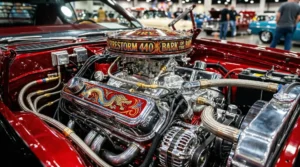 How Classic Muscle Cars Inspire Modern Fine Art
The influence of classic American muscle cars on modern fine art is undeniable. Artists today are embracing these powerful machines as subjects for their works, utilizing a variety of media, from oil paintings to digital art, sculpture, and photography. The aggressive lines, sleek contours, and mechanical elegance of these cars offer rich visual elements that inspire creativity across multiple artistic genres.
1. Classic Muscle Cars as Icons of Nostalgia and American Culture
Nostalgia plays a significant role in the rising popularity of classic muscle car art. For many, these cars represent a time when American automotive design was at its peak. Artists tap into this sense of nostalgia to create works that evoke memories of a simpler time, while also embracing the car culture that still resonates today. Muscle cars are often seen as icons of freedom and rebellion—qualities that resonate deeply with contemporary artists.
2. The Boldness of Muscle Cars in Abstract and Realistic Art
One of the most striking features of muscle cars is their bold, in-your-face aesthetic. These cars aren’t shy; they demand attention. In art, this translates into vibrant, high-contrast colors, dynamic compositions, and exaggerated forms. Artists often use the powerful shape of muscle cars as the foundation for their work, adding abstract elements to give the cars a larger-than-life feel. Others opt for hyper-realistic depictions, capturing the intricate details and craftsmanship that made these cars iconic.
For example, contemporary artists like Randy Owens focus on the raw, mechanical beauty of classic muscle cars through photorealistic paintings. His work showcases the stunning details, such as reflections on chrome bumpers and the polished finishes of these machines, capturing the fine art aspect of muscle cars.
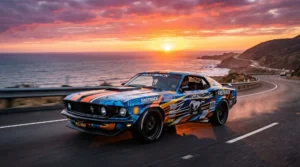 Modern Interpretations: How Artists Are Reinterpreting Muscle Cars
While traditional car art focuses on the raw beauty and power of muscle cars, contemporary artists are increasingly pushing the boundaries. They are integrating muscle car imagery into modern art movements like Pop Art, Cubism, and Minimalism. This creative reimagining reflects the changing dynamics of both the automotive world and the art world.
Pop Art and Muscle Cars: A Bright, Bold Future
The colorful, dynamic, and often oversized portrayal of muscle cars in Pop Art highlights their place in contemporary visual culture. Inspired by the works of Andy Warhol, some artists are using muscle cars as a medium for exploring the intersection of art, commerce, and popular culture. Warhol himself was known for taking everyday objects and icons and elevating them to art status. Similarly, modern artists are elevating muscle cars as objects of cultural significance, celebrating their role in American history and culture.
Artists such as Bradley “Brad” Tashima, whose work features vibrant colors and exaggerated depictions of muscle cars, have captured the essence of this movement. By focusing on the subject of muscle cars, Tashima creates larger-than-life interpretations of everyday symbols, celebrating their place in pop culture while making a social commentary on American consumerism.
Cubism: Deconstructing the Muscle Car’s Iconic Shape
Cubism, a movement pioneered by artists like Pablo Picasso and Georges Braque, emphasizes the deconstruction of objects into geometric shapes. This technique works exceptionally well with the muscular form of classic cars. By breaking down the smooth, flowing lines of muscle cars into fragmented shapes, artists reinterpret these machines in abstract, yet recognizable forms.
One artist pushing the envelope with this approach is Scott Froschauer, whose work deconstructs classic muscle cars into sharp, angular fragments that challenge the viewer’s perception of the car as an object of admiration. Froschauer’s work is a contemporary reflection on how muscle cars have transcended their original form and have become symbols of the American dream.
The Fine Art Market for Muscle Cars: The Role of Galleries and Museums
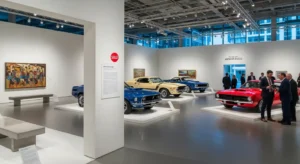
As the intersection of fine art and automotive culture continues to evolve, the market for muscle car art is expanding. Museums and galleries across the U.S. have started to embrace the artistic value of muscle cars. For instance, the Museum of Contemporary Art in Los Angeles often features exhibitions that explore the intersection of art, cars, and American culture.
At the same time, dedicated muscle car art galleries are popping up, including online galleries that cater specifically to car enthusiasts and collectors. These spaces allow artists to display their works, from classic oil paintings to modern digital creations, all focusing on the beauty and power of muscle cars.
How Classic Muscle Car Art Is Shaping Today’s Car Culture
The influence of classic muscle car art is not limited to galleries and museums. It is permeating the car culture itself. Car enthusiasts are increasingly customizing their vehicles not only to enhance performance but to transform their cars into rolling pieces of art. Custom paint jobs, including detailed, hand-painted designs, are being commissioned by collectors who want to preserve the aesthetic legacy of muscle cars while making a bold personal statement.
The rise of car wraps is another factor that has made classic muscle car art accessible to a wider audience. Enthusiasts are turning to professional wrap artists who specialize in creating artistic designs for muscle cars. These wraps allow car owners to transform their vehicles into moving works of art without permanent alterations. Popular wrap designs include vintage racing stripes, graffiti-style murals, and colorful, retro patterns that evoke the golden age of muscle cars.
Famous Muscle Car Art Examples
- The Ford Mustang Shelby GT500
A quintessential symbol of American muscle, the Shelby Mustang is frequently depicted in art due to its historical significance and striking visual appeal. The car’s muscular design and racing heritage make it a perfect subject for art. - The Dodge Charger R/T
The Charger R/T is another car that’s become an icon in the muscle car art world. Its aggressive lines and presence on both the street and the silver screen (think The Fast and the Furious) make it a popular subject for modern artists.
Conclusion: The Enduring Legacy of Muscle Cars as Fine Art
The marriage of classic American muscle cars and modern fine art is more than a fleeting trend—it’s a cultural evolution. These cars have gone from being symbols of power and performance to becoming celebrated works of art that resonate with contemporary artists and car enthusiasts alike. Whether through traditional painting, photography, or digital renderings, muscle cars continue to inspire and shape the world of fine art.
As the world of muscle car art grows, we can expect to see more innovative designs and artistic interpretations that further elevate these iconic vehicles as symbols of both American history and modern creativity.