
Why Car Photography Is Becoming A Major Art Form
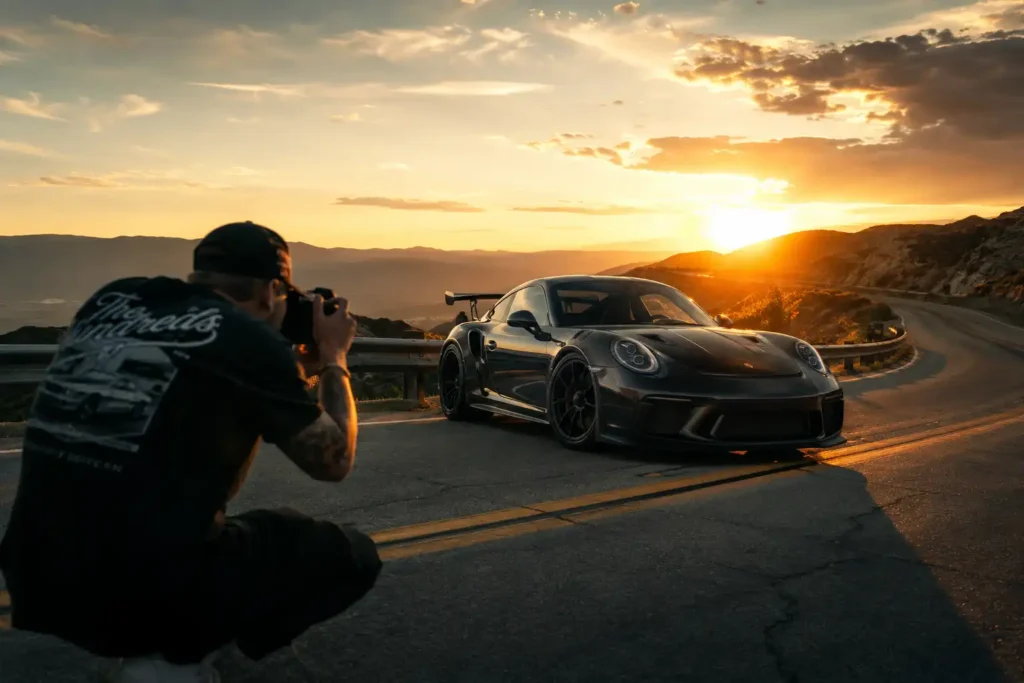
Car photography has evolved far beyond simple pictures of vehicles parked in driveways or dealership lots. Across the United States, automotive photography is becoming one of the fastest-growing forms of visual art. Photographers, car enthusiasts, brands, and collectors are transforming ordinary vehicle images into cinematic works that blend storytelling, design, emotion, and culture.
Modern automotive photography now appears in galleries, luxury homes, digital campaigns, social media platforms, and art collections. What once focused mainly on documenting cars has become a creative industry built around visual identity and artistic expression.
From classic muscle cars photographed on old desert highways to futuristic electric vehicles glowing beneath city lights, automotive photography continues pushing creative boundaries in ways that attract audiences far beyond the car community.
 The Shift From Commercial Photography To Artistic Storytelling
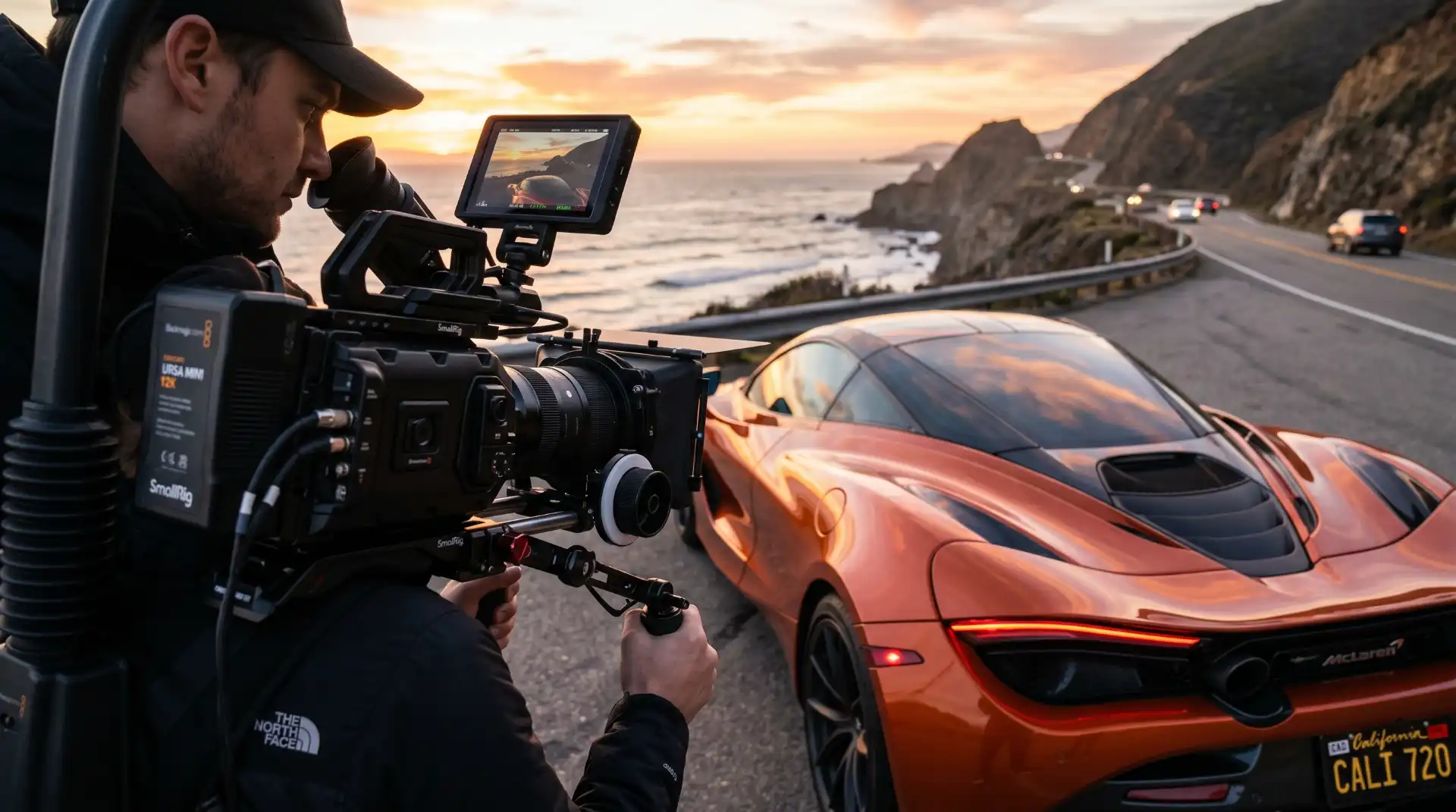
Years ago, most car photography centered around advertisements and magazine features. The goal was usually simple: show the vehicle clearly and highlight its features. While those photos were professionally produced, the artistic side often remained secondary.
Today, photographers approach vehicles differently. Cars are no longer treated only as products. They are now viewed as visual subjects capable of telling stories and creating emotion.
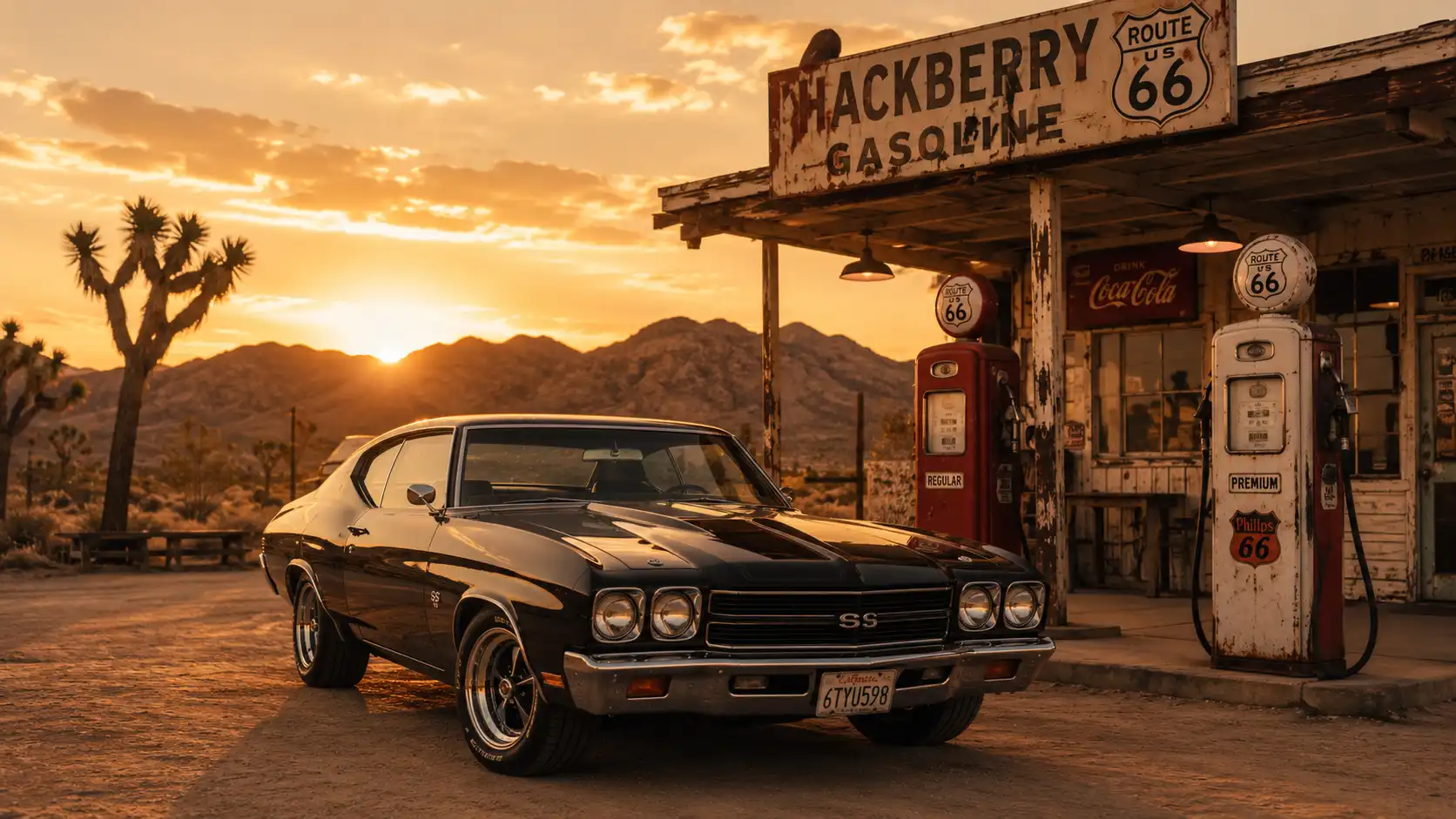
Many automotive photographers carefully select environments that match the personality of a vehicle. A vintage American truck parked beside an abandoned gas station creates a nostalgic mood connected to old road trip culture. Meanwhile, a futuristic electric hypercar photographed in downtown Los Angeles under neon lights creates a modern and high-tech atmosphere.
This focus on storytelling helped elevate automotive photography into something much closer to cinematic art.
Social Media Changed Everything
Social media played a massive role in turning automotive photography into a major art form in the United States. Platforms like Instagram, TikTok, Pinterest, and YouTube created enormous audiences for visually striking automotive content.
Photographers no longer rely only on magazines or commercial agencies to share their work. They can now build audiences independently by posting creative images online.
Cars naturally attract attention because they combine design, speed, luxury, color, and lifestyle. When paired with dramatic photography techniques, those images often perform extremely well online.
Many photographers travel across the country searching for unique locations that add personality to their images. California highways, Miami nightlife districts, downtown Chicago, Arizona deserts, and Pacific Northwest mountain roads have all become iconic automotive photography backdrops.
These settings help transform vehicle photos into complete visual experiences rather than simple product images.
Lighting Became Part Of The Artistic Process
Lighting is one of the biggest reasons automotive photography now feels more artistic than ever before. Modern photographers use natural light, artificial lighting, reflections, and shadows to create mood and depth.
Golden hour photography became especially popular because the soft sunlight enhances body lines and reflections on vehicles. Blue hour photography, which takes place shortly after sunset, creates dramatic cinematic tones that pair perfectly with luxury cars and urban environments.
Night photography also exploded in popularity. Neon signs, wet streets, parking garages, and glowing city skylines allow photographers to create scenes that resemble movie stills.
Some creators use advanced techniques such as long exposures, light painting, drone lighting, and motion tracking to produce images that feel dynamic and immersive. Instead of simply showing a car, photographers now focus on creating atmosphere.
 Automotive Photography Reflects American Car Culture
Car culture has always been deeply connected to American identity. Vehicles often represent freedom, individuality, creativity, and personal achievement. Automotive photography captures those emotions visually.
A lifted truck photographed on an off-road trail tells a completely different story than a modified import car parked beneath urban skyscrapers. A classic Corvette photographed on Route 66 creates nostalgia, while a modern electric sports car in Silicon Valley suggests innovation and technology.
This emotional storytelling helps explain why automotive photography resonates with so many people, including those who are not traditional car enthusiasts.
Photography gives vehicles personality. It allows viewers to imagine lifestyles, adventures, memories, and ambitions connected to the image.
Electric Vehicles Inspired A New Visual Style
The rise of electric vehicles introduced an entirely new direction for automotive photography. EVs often feature minimalist designs, futuristic interiors, and advanced lighting systems that naturally fit modern visual aesthetics.
Photographers now experiment with sleek architecture, clean cityscapes, digital lighting, and futuristic editing styles when capturing electric vehicles.
Tesla, Lucid, Rivian, and other EV manufacturers influenced a more modern photography style focused on simplicity and innovation. Unlike traditional performance photography that emphasized raw speed and aggression, EV photography often leans into elegance and futuristic atmosphere.
This shift expanded creative possibilities for automotive artists across the country.
Editing Became A Creative Signature
Editing now plays a major role in automotive photography art. Modern editing software allows photographers to create highly recognizable visual styles.
Some photographers prefer cinematic color grading inspired by Hollywood films. Others focus on dark urban tones, retro aesthetics, vibrant neon effects, or realistic documentary-style editing.
Rather than simply correcting exposure or sharpening details, editing has become part of the artistic identity of the photographer.
Many automotive creators spend hours refining colors, reflections, skies, and lighting effects to create images that feel emotional and immersive. These edits often help distinguish one artist’s work from another.
As editing tools continue improving, photographers gain even more creative freedom to experiment with style and storytelling.
 Drone Photography Expanded Creative Possibilities
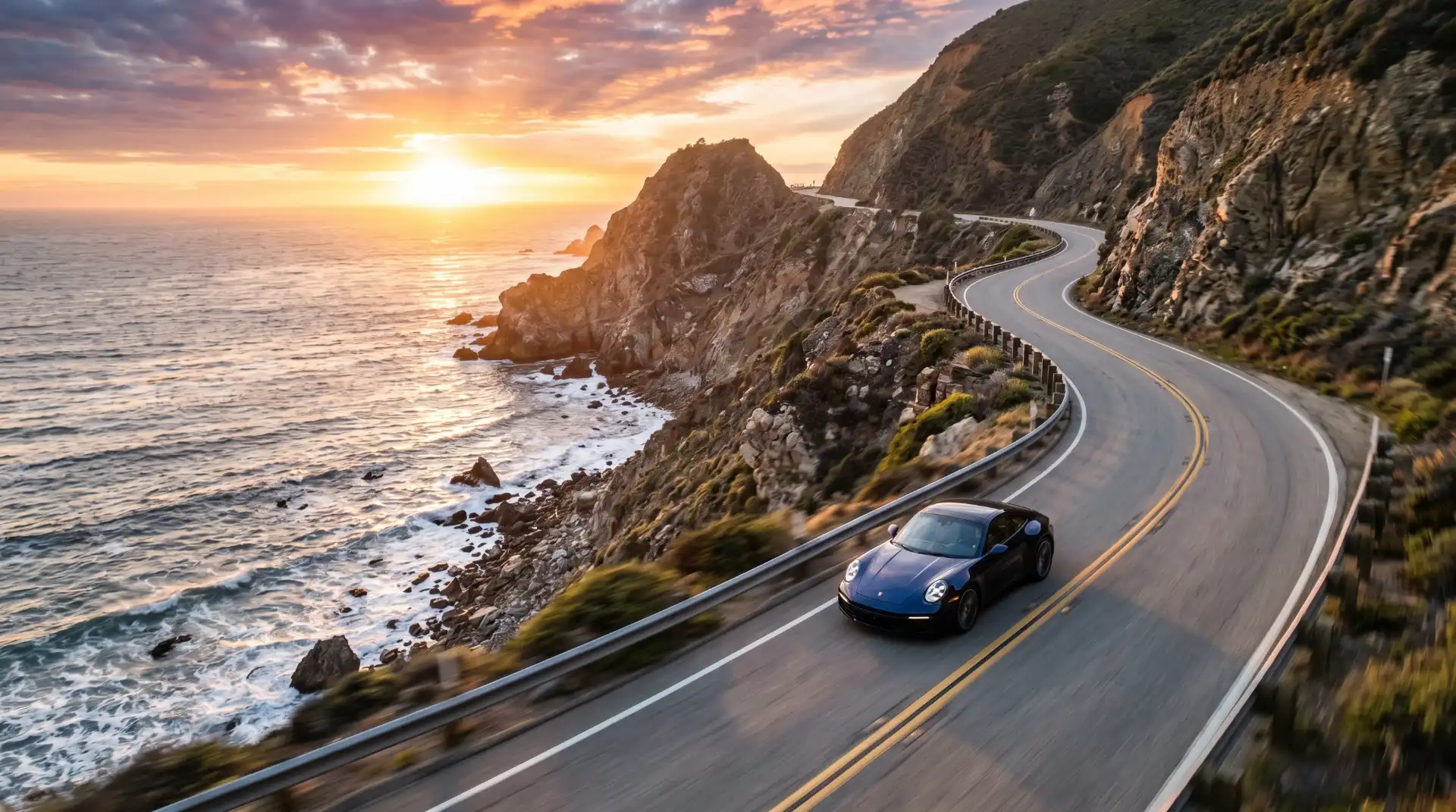
Drone technology completely changed automotive photography over the last decade. Aerial shots provide perspectives that once required expensive helicopters or large production crews.
Today, photographers can capture sweeping highway scenes, mountain roads, desert landscapes, and moving convoy shots with relatively affordable equipment.
Drone photography helped automotive visuals become more cinematic and immersive. Cars can now be photographed as part of larger environments rather than isolated subjects.
Wide aerial shots of winding roads, coastal highways, or nighttime city intersections create dramatic compositions that elevate automotive photography beyond traditional car images.
Automotive Photography Is Entering Galleries And Luxury Spaces
Another reason automotive photography is increasingly viewed as legitimate art is because it now appears in galleries, luxury offices, museums, and collector spaces throughout the United States.
Large-format automotive prints have become popular decorative pieces in modern homes, garages, and automotive showrooms. High-resolution acrylic and metal prints give automotive photography a polished gallery-quality appearance.
Some photographers collaborate directly with luxury automakers, fashion brands, and art exhibitions. These partnerships continue blurring the line between commercial work and fine art.
Automotive photography is no longer limited to magazines or online forums. It has entered the broader world of contemporary visual culture.
Car Meets And Events Inspire Creativity
Automotive events across the country continue fueling creative photography trends. Major gatherings like SEMA, Monterey Car Week, Formula Drift, and Cars & Coffee events provide photographers with access to rare and visually exciting vehicles.
These environments allow photographers to experiment with crowds, lighting, reflections, smoke, and motion. Modified cars, exotic supercars, vintage classics, and custom builds all inspire different visual approaches.
Car culture events also create opportunities for photographers to connect with brands, collectors, and other artists within the automotive community.
As these events continue growing, the artistic side of automotive photography may continue expanding as well.
Technology Made Automotive Photography More Accessible
Advancements in technology helped introduce automotive photography to a much larger audience. High-quality digital cameras, drones, editing software, and even smartphones made it easier for creators to enter the industry.
Many young photographers now begin with mobile photography before eventually moving into professional equipment. Social media platforms also allow creators to learn techniques, share work, and build audiences without needing traditional industry connections.
This accessibility helped automotive photography evolve into a much larger creative movement throughout the United States.
The Future Of Automotive Photography
The future of automotive photography looks increasingly connected to technology, digital art, and immersive experiences.
Artificial intelligence, virtual production, augmented reality, and 3D environments may all influence future photography styles. Some artists are already blending photography with digital illustration and AI-generated visuals to create futuristic automotive artwork.
Electric vehicles, autonomous driving technology, adaptive lighting systems, and futuristic vehicle interiors may also continue shaping visual trends.
As automotive culture evolves, photography may remain one of the most powerful ways to document and artistically interpret that transformation.
Conclusion
Car photography has become much more than simply taking pictures of vehicles. Across the United States, photographers are combining lighting, storytelling, architecture, editing, technology, and culture to create highly artistic visual experiences.
Modern automotive photography reflects emotion, lifestyle, nostalgia, innovation, and personal identity. Whether capturing a vintage muscle car on an open desert road or a futuristic EV beneath city lights, photographers continue pushing the boundaries of what automotive art can become.
As social media, technology, and car culture continue evolving together, automotive photography may keep growing as one of the most influential forms of modern visual storytelling.