
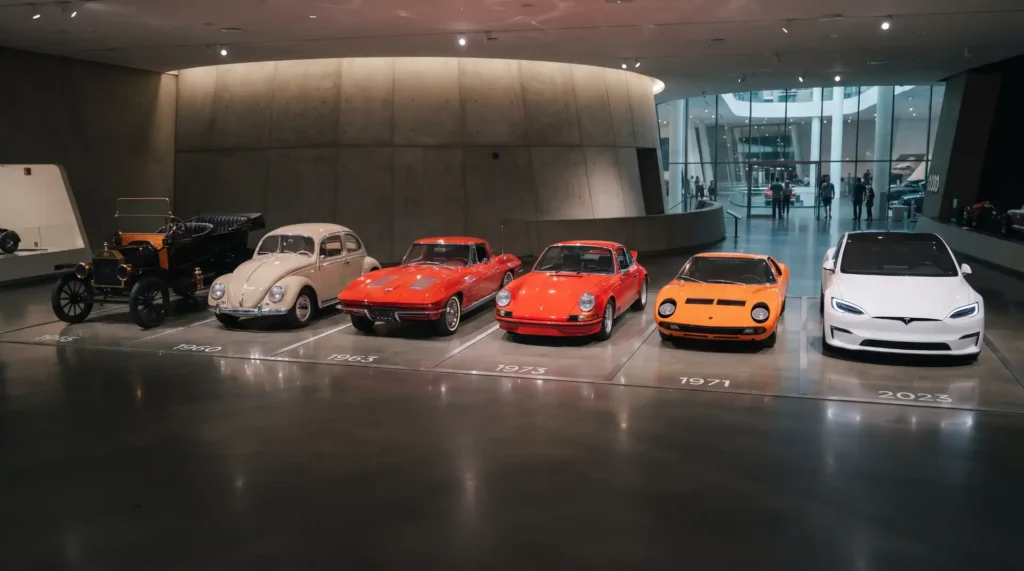
Cars have always been more than machines designed to transport people from one place to another. Throughout history, certain vehicles have represented creativity, innovation, cultural change, and artistic expression. The most influential car designs did not simply become popular because of their performance or appearance. They changed the way people viewed automobiles and inspired generations of designers, engineers, collectors, and enthusiasts.
From early mass-production vehicles that made personal transportation accessible to millions of Americans to modern electric vehicles that are reshaping the future of mobility, automotive design has continuously evolved. Some cars became symbols of freedom, luxury, speed, technology, or individuality. These vehicles became moving works of art that continue to influence the automotive world today.
For automotive enthusiasts and car artists, understanding these designs provides insight into why certain vehicles remain timeless. The lines, proportions, engineering decisions, and creative ideas behind these cars continue to inspire custom builds, automotive artwork, and modern vehicle design.
The Beginning of Modern Automotive Design: Ford Model T
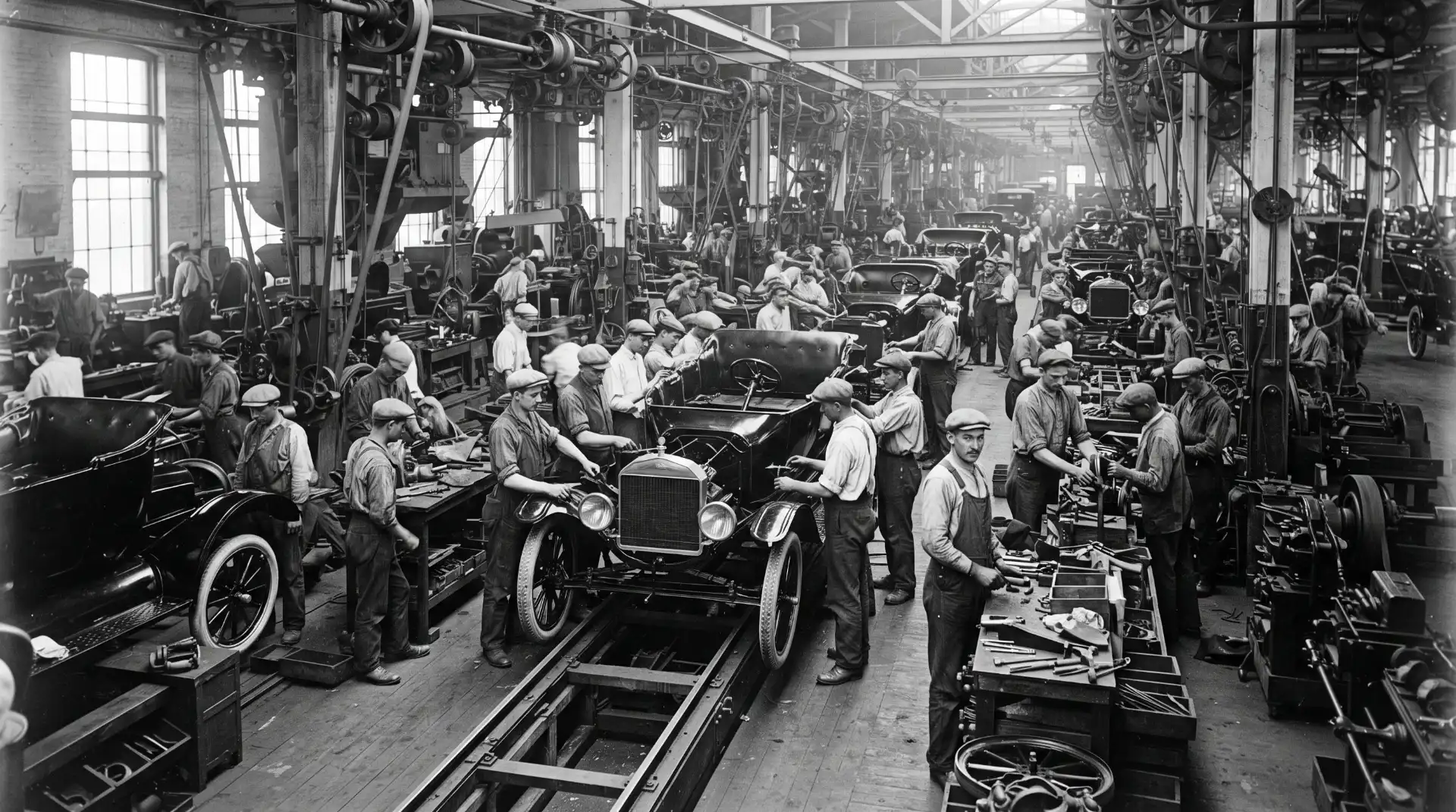
When discussing influential car designs in automotive history, the Ford Model T must be one of the first vehicles considered. Introduced in 1908, the Model T transformed the automobile from a luxury product available mainly to wealthy individuals into a practical transportation option for everyday Americans.
Henry Ford’s approach was revolutionary because the vehicle was designed around simplicity, reliability, and affordability. The Model T was not created to be an exotic masterpiece, but its design philosophy changed the entire automotive industry. The introduction of assembly-line manufacturing allowed vehicles to be produced more efficiently and helped establish the foundation of modern automobile production.
According to the Henry Ford Museum of American Innovation, the Model T played a significant role in changing American society by making automobile ownership accessible to a much larger population.
The impact of the Model T can still be seen today. Modern vehicles continue to follow many of the same principles: efficient manufacturing, practical design, and accessibility for consumers. Although automotive technology has dramatically advanced, the Model T remains one of the most important designs ever created.
Volkswagen Beetle: A Design That Became a Cultural Icon
Few vehicles have achieved the worldwide recognition of the Volkswagen Beetle. Originally developed in Germany during the 1930s, the Beetle became one of the best-selling automobiles in history and developed a unique identity that extended far beyond transportation.
The Beetle’s rounded shape, compact size, and simple engineering created a design unlike anything else on the road. Its distinctive appearance made it instantly recognizable, allowing it to become associated with individuality, creativity, and personal expression.
In the United States, the Beetle became especially popular during the 1960s and 1970s. It became connected with counterculture movements and represented an alternative to larger American vehicles. The car demonstrated that emotional connection and personality could be just as important as horsepower and size.
The Beetle also influenced automotive designers by proving that unconventional styling could create a powerful brand identity. Today, many automotive companies continue to use unique design language to create vehicles that customers recognize immediately.
Chevrolet Corvette: America’s Sports Car Design Legacy
The Chevrolet Corvette represents one of the most influential American sports car designs ever created. Introduced in 1953, the Corvette helped establish the United States as a serious competitor in the global performance car market.
The Corvette combined dramatic styling with performance-focused engineering. Its long hood, low profile, and aggressive stance created a visual identity that immediately separated it from traditional American vehicles of the era.
Over multiple generations, the Corvette continued evolving while maintaining its core design philosophy. It represented American creativity, performance, and engineering ambition. The vehicle became a symbol of automotive passion and remains one of the most recognizable sports cars in the world.
For more information about Corvette history and design evolution, enthusiasts can explore resources from the official Chevrolet Corvette website.
Porsche 911: The Definition of Timeless Sports Car Design
The Porsche 911 is one of the clearest examples of how a successful automotive design can remain relevant for decades. Introduced in 1963, the 911 established a design language that has continued through generations while adapting to modern technology and performance expectations.
The vehicle’s rear-engine layout, curved roofline, and recognizable silhouette created an identity that remains instantly recognizable around the world. Unlike many cars that completely change appearance between generations, Porsche carefully evolved the 911 while preserving its heritage.
This approach demonstrates an important lesson in automotive design: innovation does not always require abandoning tradition. The Porsche 911 proves that thoughtful evolution can create a design that remains desirable across generations.
Today, the 911 continues influencing sports car development and remains a favorite among collectors, racing enthusiasts, and automotive artists.
Lamborghini Miura: Creating the Modern Supercar Formula
Before the Lamborghini Miura arrived in 1966, high-performance vehicles were often designed primarily around racing technology. The Miura changed expectations by combining extreme performance with breathtaking design.
Created with a low, wide body and a mid-engine layout, the Miura established many characteristics associated with modern supercars. Its dramatic proportions and artistic appearance transformed the automobile into a form of automotive sculpture.
The Miura demonstrated that a vehicle could be both a technical achievement and a visual masterpiece. Many modern exotic cars continue using design concepts introduced by Lamborghini decades ago.
Mini Cooper: Small Design With Massive Influence
The Mini Cooper proved that great automotive design does not depend on size. Introduced in 1959, the Mini used clever engineering to maximize interior space while maintaining a compact exterior footprint.
The vehicle became famous for its unique proportions, agile handling, and distinctive appearance. It influenced small-car design worldwide and showed manufacturers that efficiency and driving enjoyment could exist together.
The Mini also became a cultural icon through motorsports success and appearances in popular media. Its design continues inspiring modern compact vehicles that prioritize creativity and practicality.
Tesla Model S: Redefining Electric Vehicle Design
Electric vehicles existed before Tesla, but the Tesla Model S changed public expectations about what an electric car could be. Introduced in 2012, the Model S combined long-range electric performance with a premium interior and advanced technology.
The vehicle challenged the idea that electric cars needed to sacrifice performance or style. Its clean exterior design and technology-focused interior helped accelerate mainstream interest in electric mobility.
According to the U.S. Department of Energy, electric vehicle adoption continues growing as technology improves and charging infrastructure expands across the country.
The Model S represents a major transition in automotive history because it changed how consumers think about electric vehicles and influenced nearly every major manufacturer developing EV technology today.
How These Designs Continue Influencing Car Art
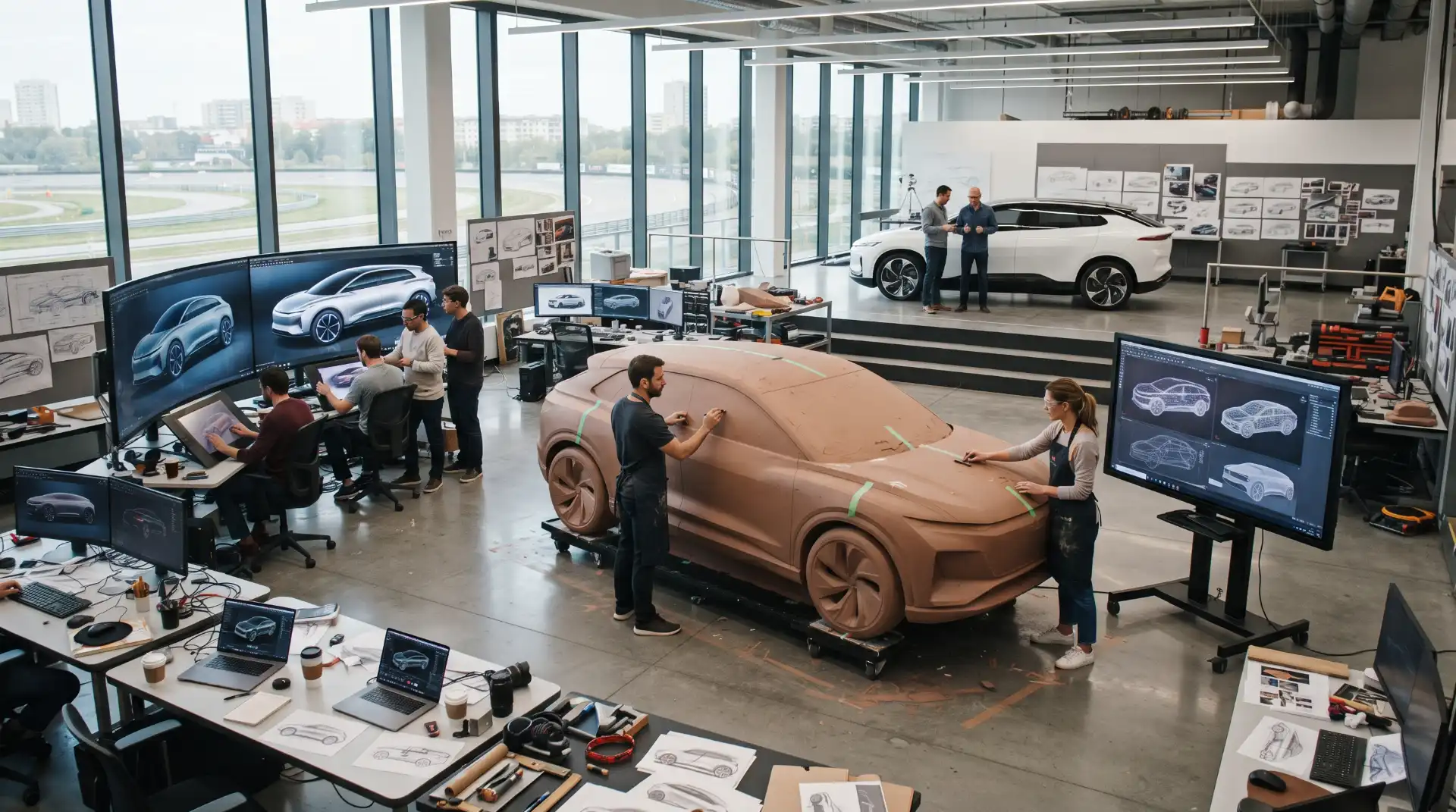
The influence of legendary car designs extends beyond engineering and manufacturing. These vehicles have become inspiration for automotive artists, custom builders, photographers, and collectors around the world.
Classic designs often become the foundation for custom artwork because their shapes, proportions, and histories create strong emotional connections. A Porsche 911, Corvette, Mustang, or Beetle is not simply a vehicle; it represents memories, achievements, and personal identity.
Modern automotive artists continue using these iconic designs as inspiration through digital illustrations, custom paintwork, vehicle wraps, and restoration projects. The connection between cars and art exists because great design creates emotion.
The Future of Automotive Design
The automotive industry is entering another major transformation period. Electric vehicles, autonomous technology, advanced materials, and digital design tools are changing how vehicles are created.
Future influential designs may come from vehicles that successfully combine technology with emotional appeal. While innovation is important, history shows that the most memorable cars are those that create a connection with people.
The vehicles that changed automotive history were not only successful because they were mechanically advanced. They succeeded because their designs represented something larger: progress, creativity, freedom, and imagination.
Porsche 911: A Timeless Design That Defined the Sports Car
Few vehicles demonstrate the power of consistent design evolution better than the Porsche 911. Introduced in 1963, the 911 became one of the most recognizable sports cars in automotive history by maintaining its identity while continuously adapting to modern technology and performance expectations.
The Porsche 911 proved that successful automotive design does not always require dramatic changes. Instead of replacing its appearance with every generation, Porsche carefully refined the vehicle’s proportions, silhouette, and driving experience while preserving the elements that made the original model special.
The curved roofline, distinctive headlights, compact rear-engine layout, and balanced proportions created a design language that enthusiasts around the world immediately recognize. The 911 became an example of how a vehicle can maintain heritage while embracing innovation.
The car’s influence extends far beyond the sports car market. Many manufacturers have studied Porsche’s approach to design evolution because it demonstrates the importance of maintaining emotional connections with customers. A vehicle can become iconic when people associate its appearance with a specific feeling or experience.
The Porsche 911 also became closely connected with motorsports. Racing success helped strengthen its reputation and demonstrated how performance engineering could influence production vehicles. The lessons learned on the track helped Porsche improve future generations of the 911 while maintaining its original philosophy.
For automotive artists and designers, the Porsche 911 represents a perfect example of proportion and balance. Its simple but recognizable shape continues inspiring illustrations, photography, custom builds, and automotive artwork around the world.
Lamborghini Miura: The Birth of the Modern Supercar
Before the Lamborghini Miura arrived in 1966, high-performance automobiles were often designed primarily around racing technology. The Miura changed that approach by proving that a production vehicle could combine extreme performance with artistic beauty.
The Miura introduced a mid-engine layout that became one of the defining characteristics of modern supercars. By placing the engine behind the driver and ahead of the rear axle, Lamborghini created a vehicle with improved weight distribution and a dramatic visual appearance.
However, the Miura’s greatest influence came from its design. Created with a low stance, flowing curves, and aggressive proportions, the vehicle looked like a sculpture even when standing still. It demonstrated that automobiles could be considered forms of artistic expression.
The Miura changed customer expectations for exotic vehicles. Buyers no longer wanted only speed and performance; they wanted vehicles that represented status, creativity, and individuality.
Many modern supercars continue following design principles introduced by the Miura. Low body profiles, dramatic proportions, and visually exciting shapes remain essential elements of exotic vehicle design today.
The Miura also represents an important connection between cars and art. Its design showed that engineering and creativity could work together to create something emotionally powerful.
Ford Mustang: Creating the American Pony Car Movement
The Ford Mustang is one of the most influential American automotive designs of the modern era. Introduced in 1964, the Mustang created an entirely new vehicle category known as the pony car, combining sporty styling, affordable pricing, and everyday practicality.
The Mustang arrived during a period when younger American drivers were looking for vehicles that represented freedom and individuality. Ford responded with a design that offered a long hood, short rear deck, aggressive stance, and customizable options.
Unlike traditional performance cars that were often expensive and impractical, the Mustang allowed more consumers to experience sporty driving. Its design created a connection between performance and personal expression.
The Mustang became deeply connected with American car culture. It appeared in movies, television, racing events, and automotive exhibitions, helping establish its reputation as a symbol of independence and performance.
The influence of the Mustang can still be seen throughout the automotive industry. Many modern vehicles use similar design concepts, including sporty styling, customization options, and emotional branding aimed at younger buyers.
For automotive artists, the Mustang remains one of the most popular subjects because of its recognizable shape and cultural importance. From classic first-generation models to modern performance versions, the Mustang continues representing American automotive creativity.
Car enthusiasts interested in exploring more automotive history can also discover related topics through Cars-Art.com’s future articles about classic car history and custom automotive artwork.
Mini Cooper: Proving That Small Cars Can Create Big Change
The Mini Cooper demonstrated that influential automotive design does not always require a large body, powerful engine, or luxury features. Introduced in 1959, the Mini changed perceptions about compact vehicles by proving that smart engineering could create an exciting driving experience.
The vehicle was designed around efficiency. Engineers focused on maximizing interior space while keeping the exterior dimensions small. This approach created a practical vehicle that was easy to drive in crowded cities while still offering impressive handling.
The Mini’s unique proportions became one of its greatest strengths. The short body, compact wheels, and distinctive appearance created an identity that separated it from other small vehicles.
The Mini also gained attention through motorsports, especially rally racing. Its success demonstrated that a small vehicle could compete against much larger and more powerful competitors.
The design philosophy behind the Mini influenced many modern compact cars. Manufacturers around the world continue using similar concepts by creating vehicles that prioritize efficiency, practicality, and enjoyable driving characteristics.
From an artistic perspective, the Mini represents creativity through simplicity. Its design proves that memorable vehicles are not always the largest or most powerful but those that create a strong emotional connection.
Tesla Model S: The Electric Vehicle Design Revolution
The Tesla Model S represents one of the most important changes in modern automotive history. While electric vehicles existed before Tesla, the Model S changed public expectations about electric transportation by combining performance, technology, and premium design.
Introduced in 2012, the Model S challenged the traditional idea that electric vehicles were limited, slow, or focused only on efficiency. Instead, Tesla created a vehicle that could compete with luxury gasoline-powered automobiles while offering a completely different driving experience.
The exterior design followed a clean and aerodynamic approach. Rather than using aggressive styling elements, Tesla focused on simplicity, efficiency, and futuristic appeal. The interior also introduced a technology-focused experience with a large touchscreen interface and software-based vehicle controls.
The Model S influenced nearly every major automotive manufacturer developing electric vehicles today. Companies that once focused primarily on gasoline-powered vehicles began investing heavily in EV technology and new design approaches.
According to the U.S. Department of Energy, electric vehicle technology continues expanding as battery performance improves and charging infrastructure develops across the country.
The Tesla Model S represents an important moment in automotive design because it showed that future vehicles could be environmentally focused while still being desirable, attractive, and technologically advanced.
How Influential Car Designs Became Automotive Art
The connection between automobiles and art has existed since the earliest days of vehicle production. A great car design creates an emotional response similar to architecture, sculpture, or other creative disciplines.
Influential vehicles often become subjects of paintings, photography, digital illustrations, and custom automotive projects because their designs communicate stories. A classic Corvette may represent American performance. A Porsche 911 may represent precision and heritage. A Lamborghini Miura may represent creativity and passion.
This emotional connection is one reason automotive art continues growing among enthusiasts. Artists use vehicle shapes, colors, and histories to create unique expressions of automotive culture.
Custom paintwork, airbrushing, wraps, and digital automotive artwork allow enthusiasts to transform already iconic vehicles into personalized creations. These projects continue the tradition started by legendary automotive designers.
For readers interested in the relationship between creativity and vehicles, Cars-Art.com can expand this topic through related content about automotive airbrushing techniques and car customization trends.
The Future of Automotive Design
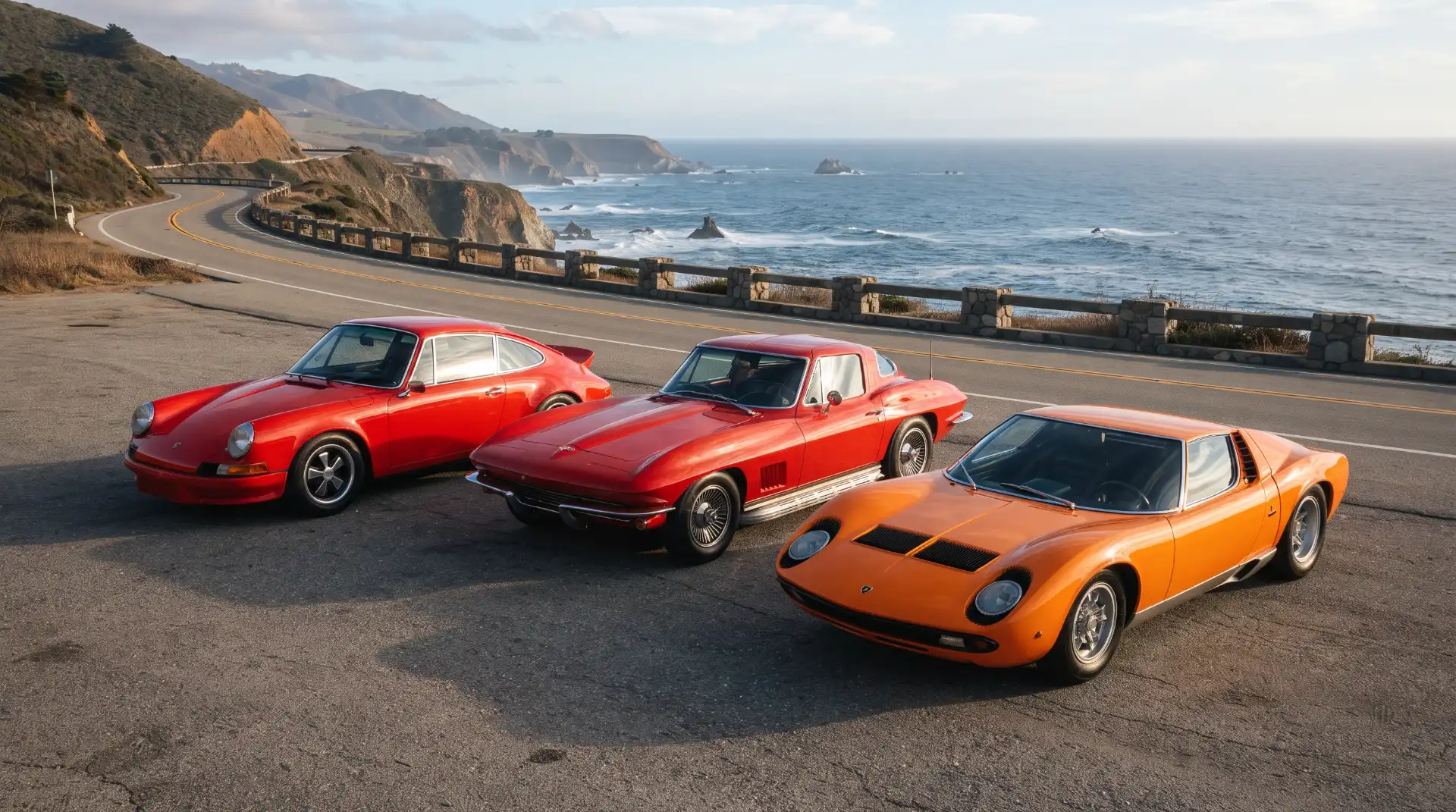
The automotive industry is currently experiencing one of the biggest transformations in its history. Electric vehicles, artificial intelligence, autonomous technology, and advanced manufacturing methods are changing how cars are designed and produced.
Future influential designs will likely come from vehicles that successfully combine technology with emotional appeal. History shows that the most memorable cars are not only technologically advanced but also visually meaningful.
Designers of tomorrow will face the challenge of creating vehicles that are efficient, sustainable, and connected while still inspiring passion among drivers.
Although technology continues changing, one principle remains consistent: people connect with vehicles that represent creativity, identity, and innovation.
Final Thoughts: Why These Designs Continue Inspiring Generations
The most influential car designs in automotive history remind us that automobiles are more than transportation devices. They represent creativity, engineering achievement, cultural movements, and personal expression.
The Ford Model T changed how vehicles were produced. The Volkswagen Beetle proved that personality could define a vehicle. The Corvette and Mustang established American performance traditions. The Porsche 911 demonstrated timeless evolution. The Lamborghini Miura created the supercar formula. The Tesla Model S helped introduce a new electric era.
Each of these vehicles changed automotive history because they introduced ideas that influenced future generations. Their designs continue appearing in museums, collections, artwork, and automotive events because great design never truly disappears.
For automotive enthusiasts and artists, these vehicles remain reminders that cars can be both machines and masterpieces. The relationship between automobiles and art will continue evolving, but the influence of these legendary designs will remain part of automotive history for generations to come.